














Why Wear a Neck Brace?
The Science Behind Leatt's Neck Protection
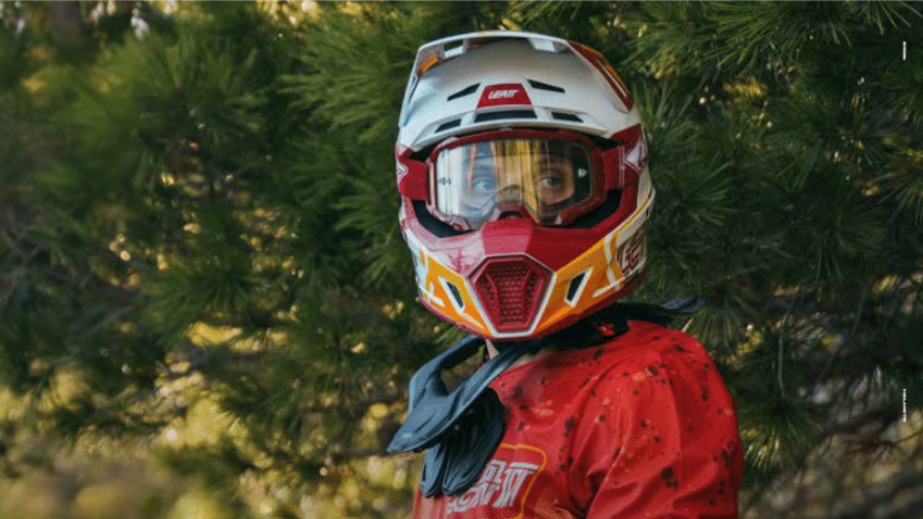
If you ride mountain bikes, motocross, or anything where a crash could send you over the bars head-first, it's worth understanding what a neck brace is actually doing — and whether the evidence backs it up.
The problem
When a rider lands on their head, the impact force travels straight down through the neck. The cervical spine is flexible enough to give your head a huge range of motion for everyday riding, but that same flexibility means a hard impact can push it well past its safe limits — causing anything from soft tissue injury to fractures to serious spinal cord damage. Whiplash-type injuries alone affect over a million people a year in the US, and in competitive off-road motorcycling, spinal injuries have historically made up a meaningful share of all reported injuries.
The idea: redirect the force
A neck brace doesn't work by locking your neck in place — that would just create a different problem. Instead, it's built around what Leatt calls Alternative Load Path Technology (ALPT®): when your helmet hits something in a crash, it contacts the brace first, and the brace redirects that force out to your shoulders, chest, and upper back instead of letting it concentrate on your spine. The brace is also designed to flex and yield under extreme load rather than staying rigid — a brace that's too stiff just shifts the injury somewhere else.
Does it actually work?
Leatt's design wasn't just engineering intuition. It was backed by crash-test-dummy testing, computer simulation (validated against physical tests), and reconstruction of real crash footage. Independent researchers also got involved — including a 10-year clinical study by an EMS provider tracking thousands of patients. The results: neck injuries occurred in roughly 20% of riders without a brace, versus about 3.5% of riders wearing one.
Getting the fit right
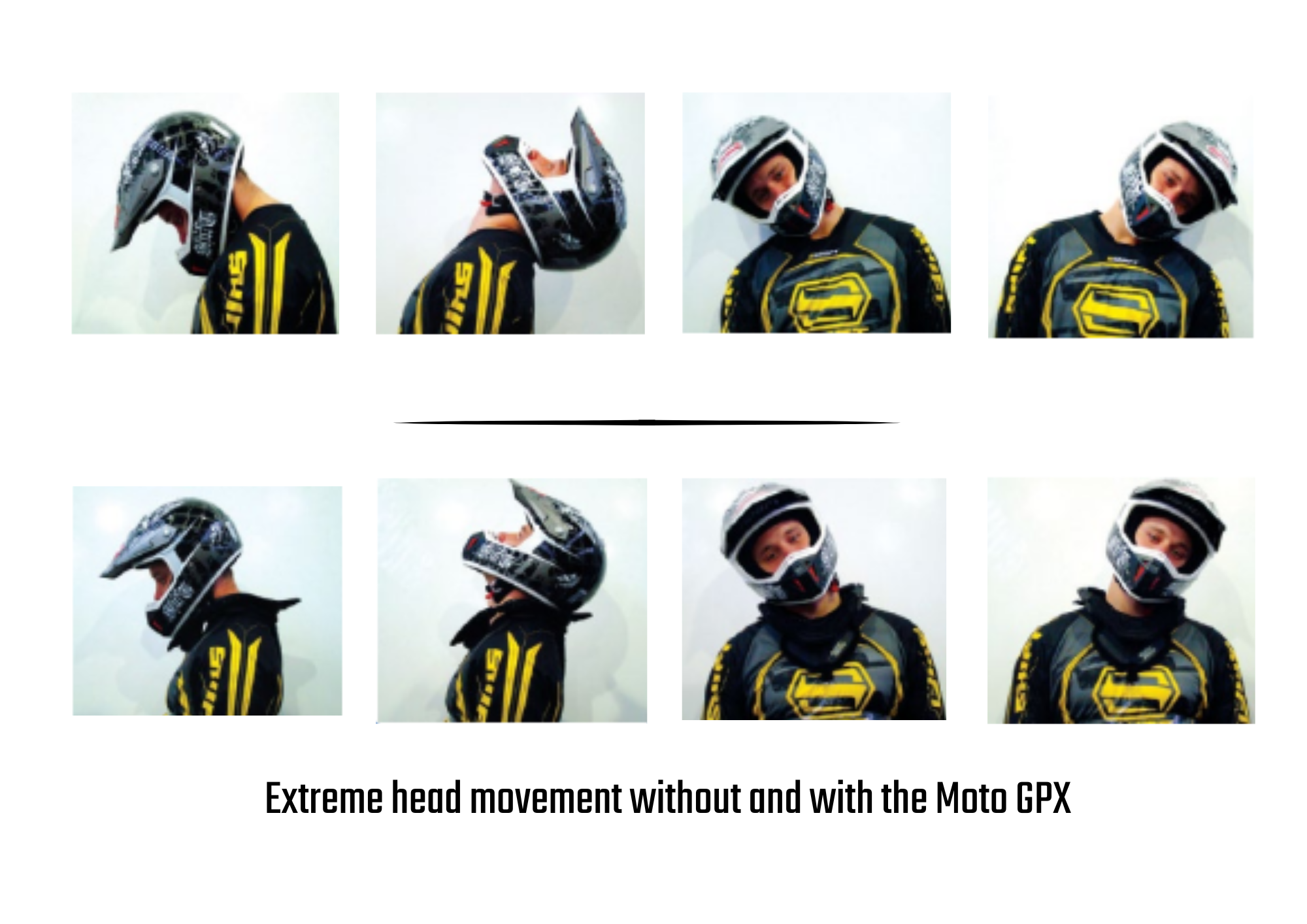
None of this matters if the brace doesn't fit properly. A few key points from Leatt's setup guide:
- The brace should still allow a full, safe range of head and neck movement — looking up, down, and checking over your shoulder
- The helmet should just touch the brace at the outer edges of that movement, not before
- Adaptable wedges at the back let you adjust the fit for different body shapes
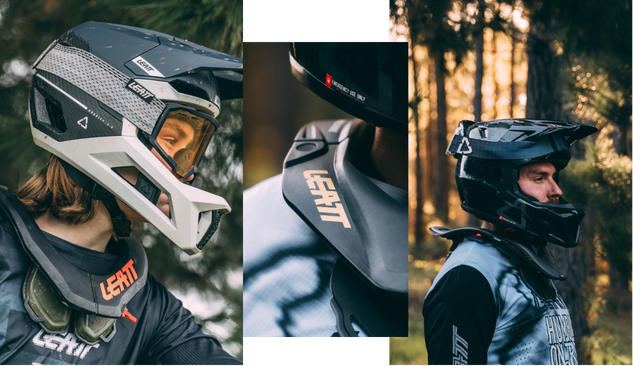
A neck brace can't replace skill or eliminate risk, but the engineering behind it — redirecting force away from the spine, backed by simulation and real clinical data — makes a solid case that a properly fitted brace meaningfully lowers the odds and severity of neck injury in a crash.
Read the full whitepaper here ☞ : Research and Development Efforts towards the Production of the Leatt Unrestrained Torso Neck Brace